In today’s hyper-connected digital economy, the b2b marketplace is no longer just a transactional platform—it’s a strategic engine for growth, efficiency, and global scalability. From startups to multinational corporations, businesses are leveraging these platforms to streamline procurement, reduce costs, and unlock new revenue streams. Let’s dive into what makes the modern b2b marketplace a game-changer.
1. Understanding the B2B Marketplace: Definition and Core Functionality

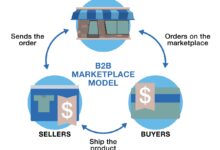
The term b2b marketplace refers to an online platform where businesses buy and sell goods and services to one another. Unlike B2C (business-to-consumer) platforms like Amazon or eBay, which cater to individual shoppers, b2b marketplaces serve companies across various industries, including manufacturing, wholesale, logistics, and technology. These platforms facilitate bulk transactions, long-term contracts, and complex supply chain integrations.
What Sets B2B Apart from B2C Marketplaces?
While both models operate on digital platforms, the nature of transactions, customer relationships, and pricing structures differ significantly. In a b2b marketplace, the decision-making process is often longer and involves multiple stakeholders. Purchases are typically larger in volume and value, with negotiated pricing, customized contracts, and extended payment terms.
- B2B transactions are relationship-driven, not impulse-driven.
- Pricing is often dynamic and negotiated, not fixed.
- Buyers expect detailed product specifications, certifications, and compliance documentation.
“The average B2B purchase involves 6.8 stakeholders, compared to just one in B2C.” — Gartner Research
Key Players in the B2B Marketplace Ecosystem
A typical b2b marketplace ecosystem includes suppliers, buyers, platform operators, logistics providers, payment gateways, and regulatory bodies. Each plays a critical role in ensuring smooth operations. For example, Alibaba.com connects manufacturers in China with global distributors, while Amazon Business serves SMEs and enterprises with office supplies and industrial goods.
- Suppliers: Manufacturers, wholesalers, and distributors listing their products.
- Buyers: Businesses sourcing materials, components, or finished goods.
- Platform Operators: Companies like ThomasNet or EC21 that manage the digital infrastructure.
Types of B2B Marketplaces
Not all b2b marketplaces are created equal. They can be categorized based on ownership, industry focus, and functionality:
Vertical Marketplaces: Focused on a specific industry, such as healthcare (e.g., Medline) or construction (e.g., BuildSupply).Horizontal Marketplaces: Serve multiple industries with general products like office supplies or raw materials (e.g., Grainger, Staples Business Advantage).Private Marketplaces: Operated by a single company for its partners or suppliers (e.g., Siemens’ Teamcenter).Open Marketplaces: Allow any registered business to join and transact (e.g., Alibaba, IndiaMART)..
2.The Evolution of the B2B Marketplace: From Catalogs to AI-Driven Platforms
The journey of the b2b marketplace has been nothing short of revolutionary.What began as simple digital catalogs in the 1990s has evolved into sophisticated, AI-powered ecosystems that offer predictive analytics, automated procurement, and real-time inventory tracking.This transformation has been fueled by advances in cloud computing, mobile technology, and data science..
From Fax Machines to Digital Procurement
In the pre-internet era, B2B transactions were conducted via phone calls, faxes, and paper-based purchase orders. The introduction of EDI (Electronic Data Interchange) in the 1980s was a major leap forward, enabling structured data exchange between businesses. However, EDI was expensive and required technical expertise, limiting its adoption to large enterprises.
The rise of the internet in the late 1990s gave birth to the first generation of b2b marketplaces. Platforms like Chemdex (for life sciences) and VerticalNet (for industrial sectors) emerged but many failed due to lack of trust, poor user experience, and unsustainable business models.
The Rise of E-Commerce Giants in B2B
The success of B2C giants like Amazon and eBay paved the way for their entry into the B2B space. Amazon Business, launched in 2015, quickly became a dominant player by offering a familiar interface, fast shipping, and business-specific features like tax-exempt purchasing and multi-user accounts. Today, Amazon Business serves over 5 million businesses worldwide and processes billions in annual sales.
Similarly, Alibaba has built a massive b2b marketplace that connects Chinese manufacturers with global buyers. With over 30 million active users, it offers everything from raw materials to custom-manufactured electronics. Its success lies in its ability to provide transparency, scalability, and trust through escrow services and supplier verification.
AI and Automation: The New Frontier
Modern b2b marketplaces are increasingly integrating artificial intelligence to enhance user experience and operational efficiency. AI-powered chatbots assist buyers with inquiries, machine learning algorithms recommend relevant products, and predictive analytics forecast demand and optimize inventory.
- Dynamic pricing engines adjust costs based on supply, demand, and buyer behavior.
- Smart contract systems automate order fulfillment and payment processing.
- Natural language processing enables voice-based ordering and multilingual support.
“By 2025, 80% of B2B sales interactions will occur in digital channels.” — McKinsey & Company
3. Benefits of Using a B2B Marketplace for Businesses
Adopting a b2b marketplace offers numerous advantages for both buyers and sellers. These platforms reduce friction in the procurement process, increase market reach, and enable data-driven decision-making. As competition intensifies and supply chains become more complex, businesses that leverage b2b marketplaces gain a significant strategic edge.
For Buyers: Efficiency, Transparency, and Cost Savings
One of the primary reasons businesses turn to a b2b marketplace is to streamline procurement. Instead of contacting multiple suppliers individually, buyers can compare prices, read reviews, and place orders in a single interface. This reduces administrative overhead and accelerates the purchasing cycle.
- Real-time price comparison across multiple vendors.
- Access to verified supplier ratings and performance metrics.
- Integration with ERP and accounting systems for seamless order processing.
Moreover, many b2b marketplaces offer volume discounts, free shipping, and flexible payment terms, further reducing total cost of ownership. For example, platforms like Flexport and Sourcify help companies source products directly from factories, cutting out middlemen and lowering costs by up to 30%.
For Sellers: Global Reach and Scalable Growth
Sellers benefit from increased visibility and access to a global customer base. A small manufacturer in Vietnam can now sell to distributors in Germany or retailers in Brazil without establishing a physical presence abroad. This democratization of trade empowers SMEs to compete with larger players.
- Lower customer acquisition costs compared to traditional sales teams.
- Marketing support from the platform, including featured listings and promotional campaigns.
- Data analytics tools to understand buyer behavior and optimize product offerings.
Platforms like Faire and Handshake specialize in connecting niche brands with independent retailers, enabling rapid scaling through curated discovery and drop-shipping models.
For the Supply Chain: Resilience and Agility
The pandemic exposed vulnerabilities in global supply chains, prompting businesses to seek more resilient and agile sourcing strategies. B2b marketplaces contribute to this resilience by offering diversified supplier networks, real-time inventory visibility, and alternative sourcing options.
- Digital twins and IoT integration allow real-time tracking of goods.
- Blockchain-based verification ensures authenticity and compliance.
- Cloud-based collaboration tools enable remote supplier management.
For instance, Siemens’ MindSphere platform integrates with b2b marketplaces to provide predictive maintenance insights, reducing downtime and improving operational efficiency.
4. Challenges and Risks in the B2B Marketplace Landscape
Despite their many advantages, b2b marketplaces are not without challenges. Issues related to trust, data security, platform dependency, and regulatory compliance can pose significant risks to businesses. Understanding these pitfalls is crucial for making informed decisions when engaging with digital marketplaces.
Trust and Supplier Verification
One of the biggest concerns in a b2b marketplace is the authenticity of suppliers. Unlike physical trade shows or direct sales relationships, online platforms can make it difficult to verify a seller’s credentials. Fake listings, counterfeit goods, and non-compliance with industry standards are real threats.
To mitigate this, leading platforms like Alibaba and IndiaMART have implemented supplier verification programs, including on-site audits, business license checks, and third-party certifications. However, these measures are not foolproof, and buyers must still exercise due diligence.
Data Security and Cyber Threats
B2B transactions involve the exchange of sensitive information, including pricing, contracts, and customer data. As b2b marketplaces become more integrated with enterprise systems, they become attractive targets for cyberattacks. Phishing, ransomware, and data breaches can disrupt operations and damage reputations.
- Ensure the platform complies with ISO 27001 or SOC 2 security standards.
- Use multi-factor authentication and encrypted communication protocols.
- Regularly audit third-party integrations for vulnerabilities.
A 2023 report by IBM found that the average cost of a data breach in the B2B sector was $4.45 million, highlighting the importance of robust cybersecurity measures.
Platform Dependency and Vendor Lock-In
While b2b marketplaces offer convenience, over-reliance on a single platform can create strategic risks. Changes in commission rates, algorithmic visibility, or terms of service can negatively impact a seller’s business. For example, Amazon has been criticized for favoring its own private-label products over third-party sellers.
To avoid vendor lock-in, businesses should diversify their sales channels, maintain direct customer relationships, and invest in their own e-commerce capabilities. A hybrid model—using marketplaces for discovery while driving repeat sales through owned platforms—is often the most sustainable approach.
5. Key Features of a Successful B2B Marketplace
Not all b2b marketplaces deliver the same level of value. The most successful platforms share a set of core features that enhance usability, trust, and scalability. These include advanced search and filtering, secure payment systems, supplier verification, and seamless integration with enterprise software.
User Experience and Interface Design
A cluttered or confusing interface can deter even the most motivated buyer. Top-tier b2b marketplaces prioritize intuitive navigation, responsive design, and personalized dashboards. Features like saved searches, recent activity logs, and one-click reordering improve efficiency and user satisfaction.
- Mobile-optimized platforms for on-the-go procurement.
- AI-driven product recommendations based on past purchases.
- Multi-language and multi-currency support for global trade.
Payment and Financing Options
Flexible payment terms are a hallmark of B2B commerce. Unlike B2C platforms that require immediate payment, b2b marketplaces often support net-30, net-60, or even net-90 payment terms. Some platforms integrate with financial institutions to offer trade financing, factoring, or supply chain credit.
- Escrow services to protect both buyers and sellers.
- Integration with accounting software like QuickBooks or SAP.
- Support for letters of credit and bank guarantees in international trade.
For example, Trade Financing partners with b2b marketplaces to provide working capital solutions for SMEs, reducing cash flow constraints.
Integration with ERP and Procurement Systems
The true power of a b2b marketplace is unlocked when it integrates with a company’s internal systems. APIs (Application Programming Interfaces) allow seamless data flow between the marketplace and enterprise resource planning (ERP), customer relationship management (CRM), and inventory management systems.
- Automated purchase order generation and invoice reconciliation.
- Real-time inventory sync to prevent overselling.
- Custom approval workflows for procurement teams.
Platforms like Coupa and Jaggaer specialize in procurement automation and offer deep integrations with major b2b marketplaces, enabling end-to-end digital procurement.
6. The Role of Technology in Shaping the Future of B2B Marketplaces
Technology is the driving force behind the evolution of the b2b marketplace. From blockchain to augmented reality, emerging technologies are redefining how businesses discover, evaluate, and transact with one another. Companies that embrace these innovations will be better positioned to thrive in the digital economy.
Blockchain for Transparency and Trust
Blockchain technology offers a decentralized and immutable ledger for recording transactions. In a b2b marketplace, this can be used to verify product authenticity, track provenance, and ensure compliance with regulations. For example, in the food and pharmaceutical industries, blockchain can trace a product from farm to factory to final delivery.
- Smart contracts automatically execute payments upon delivery confirmation.
- Reduced fraud and counterfeit risks through transparent supply chains.
- Improved auditability for regulatory compliance (e.g., FDA, EU MDR).
IBM and Maersk’s TradeLens platform is a prime example of blockchain being used to enhance transparency in global trade.
Internet of Things (IoT) and Real-Time Monitoring
IoT devices embedded in products, packaging, or logistics equipment provide real-time data on location, temperature, humidity, and handling conditions. This is especially valuable for perishable goods, pharmaceuticals, and high-value electronics.
- Automated alerts for deviations from optimal conditions.
- Integration with b2b marketplaces to update delivery status dynamically.
- Enhanced customer trust through verifiable shipment data.
Siemens and Bosch have deployed IoT-enabled b2b marketplaces that monitor equipment performance and trigger automatic reorders when maintenance is needed.
Augmented Reality (AR) for Product Visualization
In industries like manufacturing, construction, and industrial design, buyers often need to evaluate how a component fits into a larger system. AR allows users to visualize products in 3D, overlay them onto real-world environments, and assess compatibility before purchasing.
- Virtual product demos reduce the need for physical samples.
- Improved accuracy in engineering and procurement decisions.
- Enhanced engagement and reduced return rates.
Platforms like Autodesk’s Fusion 360 integrate with b2b marketplaces to enable AR-based product configuration and collaboration.
7. How to Choose the Right B2B Marketplace for Your Business
With hundreds of b2b marketplaces available, selecting the right one can be overwhelming. The decision should be based on your industry, business model, target market, and strategic goals. A well-chosen platform can accelerate growth, while a poor fit can lead to wasted resources and missed opportunities.
Assess Your Industry and Product Fit
Not every marketplace caters to every industry. A manufacturer of industrial valves should look for platforms like ThomasNet or GlobalSpec, while a fashion brand might prefer Faire or Tundra. Research the platform’s category focus, buyer demographics, and average order value to ensure alignment.
- Check if the platform has a strong presence in your target geographic market.
- Evaluate the level of competition for your product category.
- Review the platform’s policies on returns, shipping, and customer service.
Evaluate Platform Fees and Revenue Models
B2B marketplaces use various monetization models, including listing fees, commission-based sales, subscription plans, and premium advertising. Understand the total cost of participation and how it impacts your profit margins.
- Some platforms charge a 5–15% commission per sale.
- Others offer free listings but charge for featured placements.
- Subscription models may include analytics, marketing, or integration support.
For example, Amazon Business charges sellers a referral fee of 8–15%, while Alibaba offers free basic listings with optional paid upgrades for enhanced visibility.
Test Integration and Support Capabilities
Before committing, test the platform’s API, customer support, and onboarding process. A smooth integration with your existing systems is critical for long-term success. Request a sandbox environment to simulate transactions and evaluate performance.
- Check if the platform offers dedicated account managers for enterprise sellers.
- Review user reviews and case studies from similar businesses.
- Ensure the platform provides training and technical documentation.
What is a b2b marketplace?
A b2b marketplace is an online platform where businesses buy and sell products or services to other businesses. It streamlines procurement, expands market reach, and enables digital transformation in supply chains.
How does a b2b marketplace differ from B2C?
B2B marketplaces involve larger transaction volumes, longer sales cycles, negotiated pricing, and multiple decision-makers, whereas B2C is typically transactional, impulse-driven, and involves individual consumers.
Are b2b marketplaces safe for international trade?
Yes, many b2b marketplaces offer secure payment methods, supplier verification, and escrow services to protect international transactions. However, buyers should still conduct due diligence and use trusted platforms.
Can small businesses benefit from b2b marketplaces?
Absolutely. Platforms like IndiaMART, Faire, and Tundra are designed to help small and medium enterprises access global markets, reduce customer acquisition costs, and scale efficiently.
What technologies are shaping the future of b2b marketplaces?
Artificial intelligence, blockchain, IoT, and augmented reality are transforming b2b marketplaces by enhancing transparency, automation, and user experience.
The b2b marketplace has evolved from a simple digital catalog into a dynamic, intelligent ecosystem that powers global commerce. By offering efficiency, scalability, and innovation, these platforms are redefining how businesses connect, transact, and grow. Whether you’re a buyer seeking cost savings or a seller aiming for global reach, understanding and leveraging the right b2b marketplace can be a strategic advantage. As technology continues to advance, the future of B2B commerce will be increasingly digital, interconnected, and intelligent.
Further Reading:
