In today’s hyper-connected business world, mastering b2b digital marketing isn’t just an option—it’s a necessity. With decision-makers relying more on digital channels than ever, companies that adapt win. Let’s dive into the strategies shaping the future.

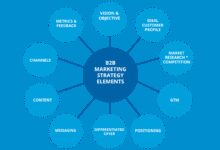


What Is B2B Digital Marketing and Why It Matters

B2B digital marketing refers to the strategies and tactics businesses use to promote their products or services to other businesses through digital channels. Unlike B2C marketing, which often targets emotions and instant gratification, b2b digital marketing focuses on logic, ROI, and long-term value. It’s a more complex, relationship-driven process that involves multiple stakeholders and longer sales cycles.
The Core Differences Between B2B and B2C Marketing
Understanding the distinction between B2B and B2C marketing is crucial for crafting effective strategies. While both aim to generate leads and drive sales, their approaches differ significantly.
Audience Complexity: B2B marketing targets professionals and decision-makers within organizations, often requiring approval from multiple departments.B2C, on the other hand, usually targets individual consumers.Sales Cycle Length: B2B sales cycles are typically longer, sometimes spanning months or even years, due to higher stakes and more complex decision-making processes.Content Focus: B2B content emphasizes data, case studies, and ROI, while B2C content often leans on emotion, lifestyle, and urgency.”B2B buyers are now 57% of the way through their decision-making process before they even engage with a sales rep.” — SiriusDecisionsKey Objectives of B2B Digital MarketingThe primary goals of b2b digital marketing go beyond just generating leads.
.They include building brand authority, nurturing long-term relationships, and driving measurable business outcomes..
- Lead generation and qualification
- Brand awareness and thought leadership
- Customer retention and account-based marketing
- Driving pipeline growth and revenue
These objectives require a strategic blend of content, technology, and analytics to ensure alignment with business goals.
7 Essential B2B Digital Marketing Strategies for 2024
To stay competitive, businesses must adopt a multi-channel approach to b2b digital marketing. The following seven strategies have proven effective in driving engagement, generating high-quality leads, and accelerating sales cycles.
1. Content Marketing: The Foundation of B2B Success
Content is king in b2b digital marketing. High-quality, educational content helps establish trust, nurture leads, and position your brand as an industry leader.
- Create in-depth whitepapers, e-books, and case studies that address specific pain points.
- Develop blog posts optimized for SEO to attract organic traffic.
- Use video content to explain complex solutions and showcase customer success stories.
According to Content Marketing Institute, 91% of B2B marketers use content marketing to reach customers, with 70% planning to increase their content output in the coming year.
“The best marketing doesn’t feel like marketing. It feels like a valuable resource.” — David Beebe
2. Search Engine Optimization (SEO) for B2B Audiences
SEO remains a cornerstone of b2b digital marketing. Unlike B2C, B2B buyers often begin their journey with specific, intent-driven search queries like “best CRM for enterprise sales teams” or “cloud-based ERP solutions.”
- Focus on long-tail keywords with high commercial intent.
- Optimize product pages, landing pages, and blog content for both search engines and user experience.
- Build authoritative backlinks through guest posting, partnerships, and PR outreach.
A study by Backlinko found that the first page of Google captures 75% of all clicks, making SEO a non-negotiable for visibility.
3. Account-Based Marketing (ABM): Precision Targeting
ABM is a strategic approach in b2b digital marketing where companies treat individual accounts as markets of one. It combines personalized content, targeted ads, and direct outreach to engage high-value prospects.
- Identify key accounts based on firmographic and behavioral data.
- Develop customized campaigns for each account, including personalized emails and landing pages.
- Align sales and marketing teams to ensure consistent messaging and follow-up.
According to ABM Institute, companies using ABM report 208% higher ROI than those using traditional demand generation tactics.
“ABM flips the funnel: instead of casting a wide net, you fish with a spear.” — ITSMA
Leveraging Social Media in B2B Digital Marketing
Social media is no longer just for B2C brands. Platforms like LinkedIn, Twitter, and even YouTube are powerful tools in b2b digital marketing, especially for building relationships and brand credibility.
LinkedIn: The B2B Powerhouse
LinkedIn is the most effective social platform for b2b digital marketing, with over 900 million users and 4 million B2B decision-makers.
- Use LinkedIn Company Pages to share thought leadership content.
- Leverage LinkedIn Ads for targeted campaigns based on job title, industry, and company size.
- Encourage employees to engage with content—employee advocacy increases reach by up to 561%.
A report by LinkedIn Marketing Solutions shows that 80% of B2B leads come from LinkedIn, making it indispensable for lead generation.
Twitter and YouTube: Niche but Powerful
While LinkedIn dominates, Twitter and YouTube offer unique advantages.
- Twitter is ideal for real-time engagement, customer support, and sharing industry news.
- YouTube is perfect for product demos, explainer videos, and customer testimonials.
- Both platforms support paid advertising with precise targeting options.
For example, IBM uses YouTube to host webinars and technical deep dives, effectively nurturing leads through educational content.
Email Marketing: Still a B2B Game-Changer
Email remains one of the most effective channels in b2b digital marketing, with an average ROI of $36 for every $1 spent (DMA, 2023).
Building High-Quality Email Lists
The success of email marketing hinges on list quality. Purchased lists often lead to low engagement and spam complaints.
- Use lead magnets like free trials, webinars, or e-books to capture opt-ins.
- Implement double opt-in to ensure list hygiene and compliance.
- Segment lists based on behavior, industry, or stage in the buyer’s journey.
Tools like HubSpot and Marketo enable sophisticated list segmentation and automation.
Personalization and Automation
Personalized emails generate 6x higher transaction rates than generic ones.
- Use dynamic content to tailor messages based on user data.
- Set up drip campaigns to nurture leads over time.
- Trigger emails based on user actions, such as downloading a whitepaper or visiting a pricing page.
For instance, Salesforce uses automated email sequences to guide prospects through their product suite, increasing conversion rates by 30%.
“Marketing automation is not about replacing humans—it’s about empowering them to be more strategic.” — Ann Handley
The Role of Data and Analytics in B2B Digital Marketing
Data-driven decision-making is the backbone of successful b2b digital marketing. Without analytics, campaigns are flying blind.
Key Metrics to Track
To measure effectiveness, focus on KPIs that align with business goals.
- Cost per lead (CPL)
- Customer acquisition cost (CAC)
- Conversion rates by channel
- Marketing qualified leads (MQLs) vs. sales qualified leads (SQLs)
- Return on ad spend (ROAS)
Google Analytics 4 and CRM platforms like Salesforce provide deep insights into user behavior and campaign performance.
Marketing Attribution Models
Understanding which channels contribute to conversions is critical.
- First-touch attribution credits the first interaction.
- Last-touch gives credit to the final touchpoint.
- Multi-touch models (e.g., linear, time-decay) distribute credit across the journey.
According to McKinsey, companies using multi-touch attribution see a 10–30% improvement in marketing efficiency.
Emerging Trends Shaping the Future of B2B Digital Marketing
The b2b digital marketing landscape is evolving rapidly. Staying ahead requires awareness of emerging trends and technologies.
AI and Machine Learning in Marketing
Artificial intelligence is transforming how marketers personalize content, predict behavior, and optimize campaigns.
- AI-powered chatbots provide 24/7 customer support.
- Predictive analytics help identify high-intent leads.
- Tools like Jasper and Copy.ai assist in generating content at scale.
For example, Drift uses AI to qualify leads in real-time, reducing response time from hours to seconds.
Interactive Content and Personalization at Scale
Static content is no longer enough. Interactive formats like quizzes, calculators, and configurators boost engagement.
- A pricing calculator can help prospects estimate ROI before speaking to sales.
- Interactive assessments guide users to the right solution.
- Personalization engines deliver dynamic content based on user behavior.
According to ContentGolds, interactive content generates 2x more conversions than passive content.
“The future of marketing is not just personalization—it’s anticipation.” — Paul Roetzer
Choosing the Right B2B Digital Marketing Tools
Technology is the engine of modern b2b digital marketing. The right tools can streamline workflows, improve targeting, and enhance ROI.
Marketing Automation Platforms
Automation tools help manage repetitive tasks and nurture leads efficiently.
- HubSpot: All-in-one platform for CRM, email, and content marketing.
- Marketo: Ideal for enterprise-level ABM and lead management.
- Pardot (by Salesforce): Deep integration with Salesforce CRM.
These platforms enable lead scoring, segmentation, and campaign tracking, making them essential for scaling efforts.
SEO and Content Optimization Tools
To stay competitive in search, marketers need robust SEO tools.
- SEMrush: Comprehensive for keyword research, competitor analysis, and site audits.
- Ahrefs: Excellent for backlink analysis and content gap identification.
- Surfer SEO: AI-driven content optimization for higher rankings.
Using these tools, companies can identify high-opportunity keywords and optimize content for both users and search engines.
Measuring Success: KPIs and ROI in B2B Digital Marketing
Ultimately, the success of b2b digital marketing hinges on measurable outcomes. Setting clear KPIs ensures accountability and continuous improvement.
Defining Clear Marketing Goals
Before launching any campaign, define SMART goals: Specific, Measurable, Achievable, Relevant, and Time-bound.
- Generate 500 MQLs in Q1.
- Increase website conversion rate by 15% in six months.
- Reduce CAC by 20% through improved targeting.
These goals should align with broader business objectives like revenue growth and market expansion.
Calculating ROI and Attribution
ROI is the ultimate measure of marketing effectiveness.
- ROI = (Revenue from Marketing – Cost of Marketing) / Cost of Marketing
- Use CRM and marketing analytics to track revenue generated from campaigns.
- Implement closed-loop reporting to connect marketing efforts to sales outcomes.
For example, a company spending $50,000 on a campaign that generates $200,000 in revenue achieves a 300% ROI.
What is b2b digital marketing?
B2B digital marketing refers to the use of digital channels—such as websites, email, social media, and search engines—to promote products or services from one business to another. It focuses on building relationships, generating qualified leads, and driving long-term value through data-driven strategies.
How is B2B digital marketing different from B2C?
B2B digital marketing typically involves longer sales cycles, multiple decision-makers, and a focus on logic and ROI. B2C marketing, in contrast, targets individual consumers with shorter decision cycles and often appeals to emotions and immediate needs.
What are the most effective B2B digital marketing channels?
The most effective channels include content marketing, SEO, LinkedIn, email marketing, and account-based marketing. The best approach combines multiple channels tailored to the target audience’s behavior and preferences.
How do I measure the success of my B2B digital marketing campaigns?
Success is measured through KPIs like cost per lead, conversion rates, customer acquisition cost, and ROI. Using analytics tools and CRM integration allows for accurate tracking and optimization.
Is ABM worth it for small B2B companies?
Yes, even small businesses can implement ABM at scale by focusing on a handful of high-value accounts. With the right tools and strategy, ABM can deliver high ROI regardless of company size.
B2B digital marketing is no longer optional—it’s the engine of modern business growth. From content and SEO to ABM and AI, the strategies outlined here provide a roadmap for success in 2024 and beyond. The key is to stay agile, data-driven, and customer-focused. By leveraging the right tools, measuring performance, and adapting to trends, businesses can build sustainable pipelines and dominate their markets. The future belongs to those who embrace digital transformation with purpose and precision.
Further Reading:
